

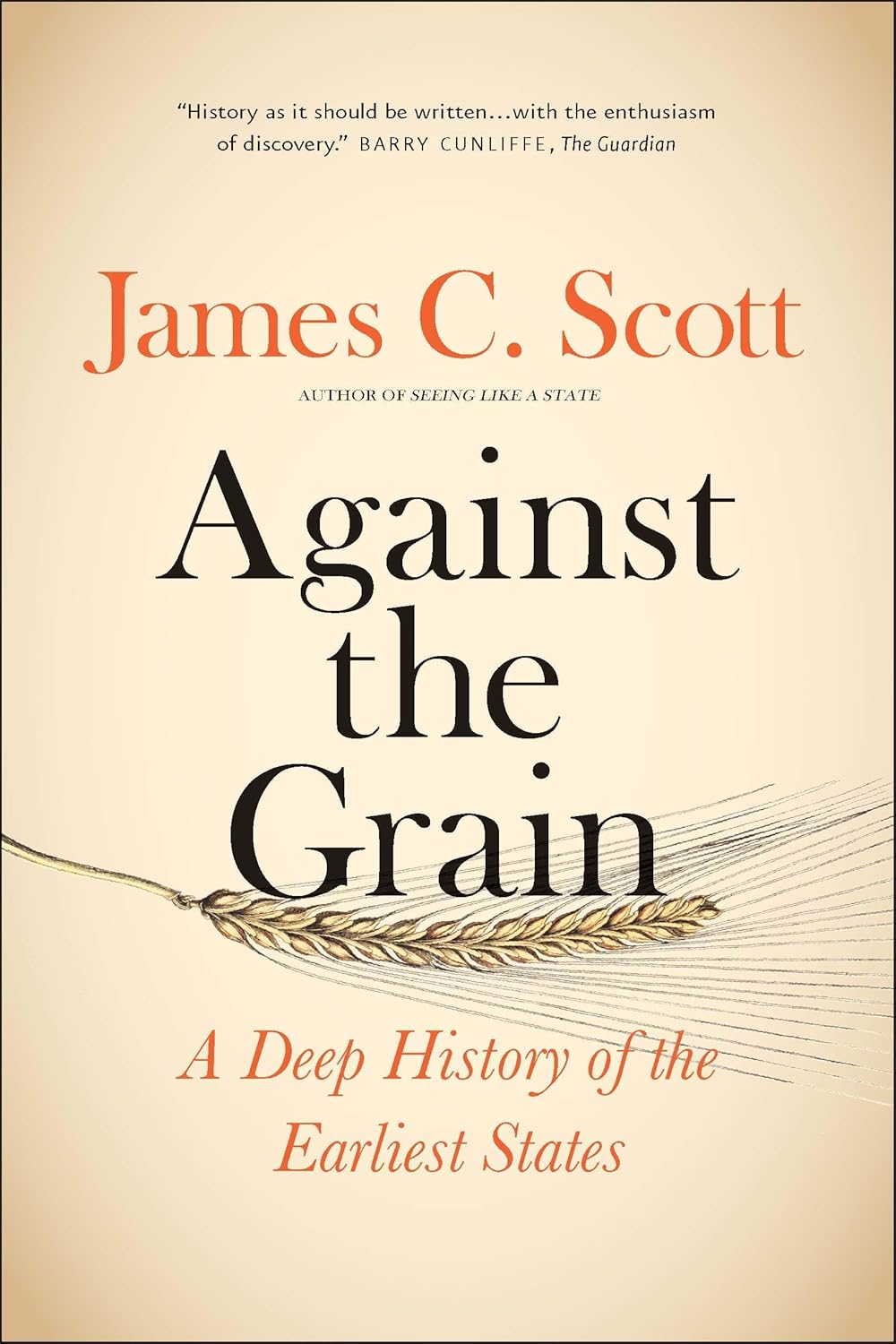
Against the Grain: A Deep History of the Earliest States
Against the Grain: A Deep History of the Earliest States
Regular price
Tk 370.00 BDT
Regular price
Tk 570.00 BDT
Sale price
Tk 370.00 BDT
Quantity
Couldn't load pickup availability
Book Details


Overview
An account of all the new and surprising evidence now available that contradicts the standard narrative for the beginnings of the earliest civilizations An Economist Best History Book 2017 “Scott is
Got questions? Check our FAQs for easy answers.
✕
Frequently Asked Questions
❓ Do you sell original or reprinted books?
We sell high-quality reprinted editions. All books are locally printed with good paper and clear text.
❓ What is an eBook?
An eBook is a digital (online) version of a book that you can read on your mobile, tablet, laptop, or computer. It is not a printed book, and there will be no physical copy. After purchase, you will receive a PDF or digital file.
❓ How will I receive my eBook?
After completing your payment, you will receive your eBook instantly via email, WhatsApp, or a download link. You can easily download and read it on your device.
Do you deliver books all over Bangladesh?
Yes, we deliver books across Bangladesh.
❓ How long does shipping usually take?
Inside Dhaka, delivery usually takes 2–3 working days. Outside Dhaka, it may take 3–4 working days, depending on the courier service and location.
❓Can I return or exchange a product?
Physical books can be returned if damaged. Digital products are non-refundable.
❓ How can I contact you for support?
✅ You can contact us through our hotline at 8809658245150, WhatsApp us at 01606504240, or message our Facebook page anytime. We’re happy to help!
